Your Second Opinion.
Most projects don’t go wrong because of bad design. They go wrong because early assumptions quietly lock in before anyone realises what they mean.
If momentum is building, options are narrowing, and guessing is about to get expensive to reverse, this is the moment a second opinion earns its keep.
The purpose is clarity that ends in a decision, not more information.
-
A focused, site-specific conversation
An independent second opinion on early assumptions
A way to identify decisions that may be hard to undo
A quick test of project size, timing, and fit
-
Not design
Not drawings
Not a quote
Not a commitment to proceed

Take a moment to gain clarity before deciding.
How it works
The second opinion has a simple structure. Risk and Sequence.
Risk
What could derail the project later.
Sequence
What must happen first, and what must not.
As both architect and a former builder, I can see the design, cost and construction consequences of a decision before it is locked in — which is what makes it possible to run this in one sitting rather than passing you between separate consultants.
Internally, I run this through a process I call your Building Blocks. It’s practical and cumulative. The aim isn’t to add complexity. It’s to make informed decisions rather than locking in the the wrong decisions from too early.
Your Second Opinion
-
Brief & Assumptions
Pre-brief questionnaires to gather priorities, preferences, and objectives
Focused consultation to identify what matters most and where flexibility exists
Clear project outline defining scope, goals, and constraints
Formal written brief capturing agreed priorities and constraints
-
Site, Risk & Feasibility
Site review to identify physical constraints and opportunities
Property and regulatory review (high-level) of applicable controls and likely approvals
Scope and capability check against site and regulatory realities
Timeline and consultant overview for likely sequence and inputs
Early cost drivers to inform decisions (not a builder quote)
-
You leave with a written decision summary you can act on, with or without me.
Pricing
Most projects start with a Project Call.
If the project needs a full Second Opinion, including Building Blocks A and B, the cost is typically $5,500 inc. GST. The exact scope, timing and fee are confirmed with you before commencement. No payment is required before then.
The Project Call is simply the place to work out whether this is the right starting point for your project.
-
Property information reports
Service reports
External secondary / sub-consultant fees
Council permit or application fees, taxes, levies, or charges paid to authorities
Any disbursements are discussed before they are incurred.
Common signals a second opinion will help
Early decisions are forming.
You’re not ready to guess.
The brief isn’t settled.
The budget is still shifting.
You’re being nudged to commit before things are clear.
You don’t yet know what constraints or risks apply.
You want to move forward, but not blindly.
You can feel that some of this will be expensive to unwind later.
This step isn’t about moving faster. It’s about slowing things down before something hardens.
Outcome
You leave with a written decision summary you can act on.
With me.
Or without me.
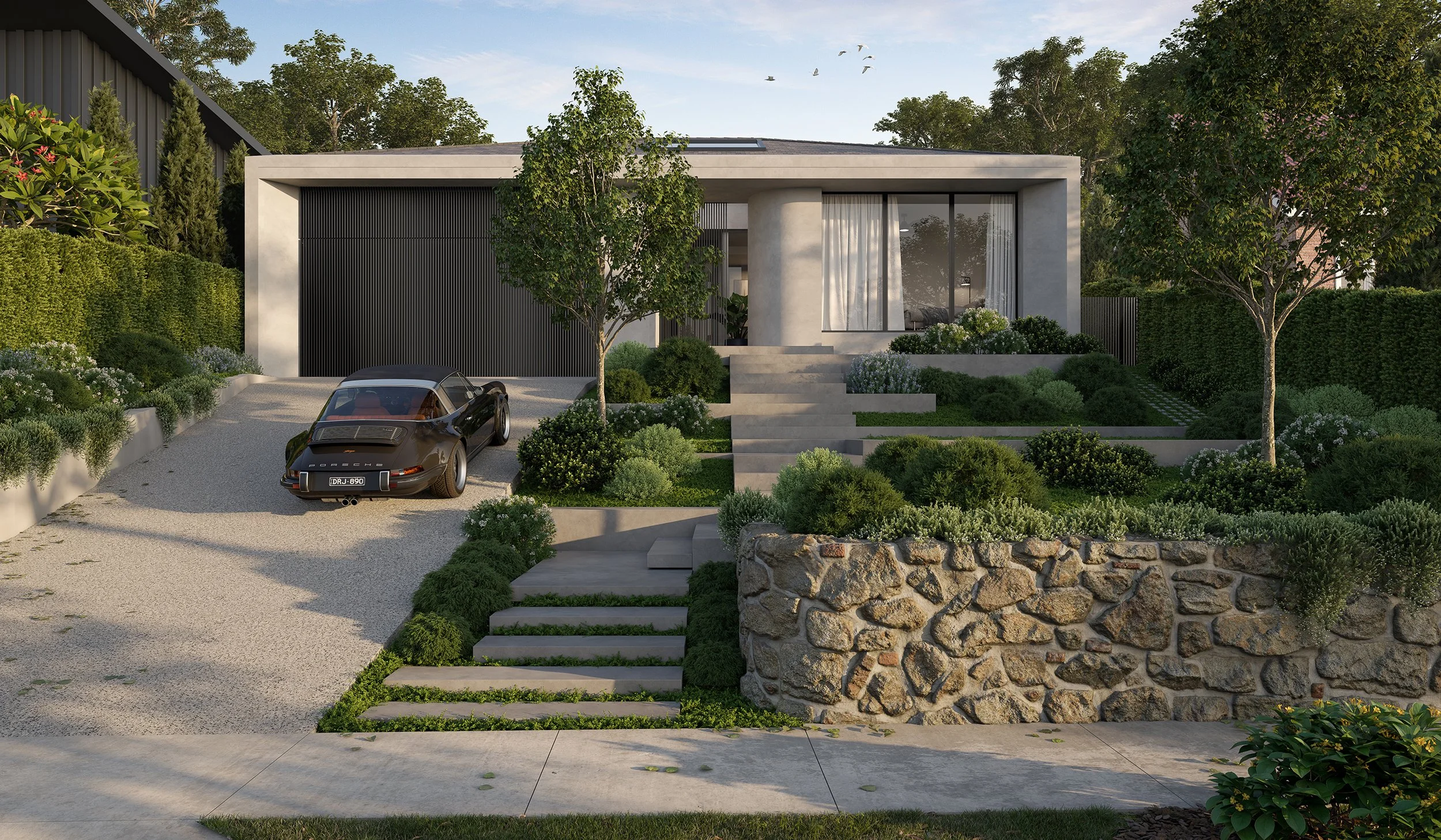
Take a moment to gain clarity before deciding.
Your Questions, Answered
-
No.
If early assumptions haven’t been tested, moving straight into design usually means locking in the wrong problem. This step exists to protect the project and confirm fit on both sides before momentum takes over.
-
Not in the way most people mean it.
There is one design briefing conversation where we look at your ideas, priorities, and reference images. This is about understanding your intent and how you want the project to feel.
What it does not produce is a design.
The output of this stage is a clear, tested brief. One that checks alignment between your ideas, the site, the budget, and the constraints already in play.
Concept design comes after this step, once the brief is sound and the right problem has been defined.
-
Yes. Intentionally.
This step adds a small pause early to avoid massive delays, redesign, and cost blowouts later. In practice, it often saves time by stopping the wrong work from starting.
-
One of three outcomes follows:
• Proceed into architectural services (full or partial)
• Pause or redirect
• Step away with clarity -
That’s fine.
Building Blocks works alongside existing relationships. The focus isn’t replacing anyone, it’s testing assumptions and sequencing decisions so the project holds together.
-
No.
Some clients do. Some don’t. Either way, you leave with clarity you can act on.
-
It’s short and contained.
The intent is to create clarity early, while decisions are still flexible, not to drag the process out.
In most cases, it runs over around a month, depending on your starting point.
AS FEATURED IN